Lake Street Complete Streets Plan
The City of Mt. Shasta adopted the Lake Street for All Complete Streets Plan to make Lake Street safer, more accessible, and more enjoyable for everyone—whether you drive, walk, bike, or roll. The Plan guides future improvements, including sidewalks, bike lanes, crosswalks, and more.
The Final Lake Street for All Complete Streets Plan is now available!
Adopted by the City Council on February 23, 2026
What is a Complete Street?
A Complete Street balances safety, accessibility, and mobility for all users, regardless of age, ability, or mode of transportation. A Complete Street may feature elements such as sidewalks, bike lanes (or wide paved shoulders), dedicated bus lanes, accessible public transit stops, frequent and safe crosswalks, median islands, pedestrian signals, curb extensions, roundabouts, traffic calming, and more. These features work together to create a roadway environment that is comfortable and enjoyable for everyone to use, whether they are driving, biking, walking, rolling, or catching the bus.
Lake Street Complete Streets Plan
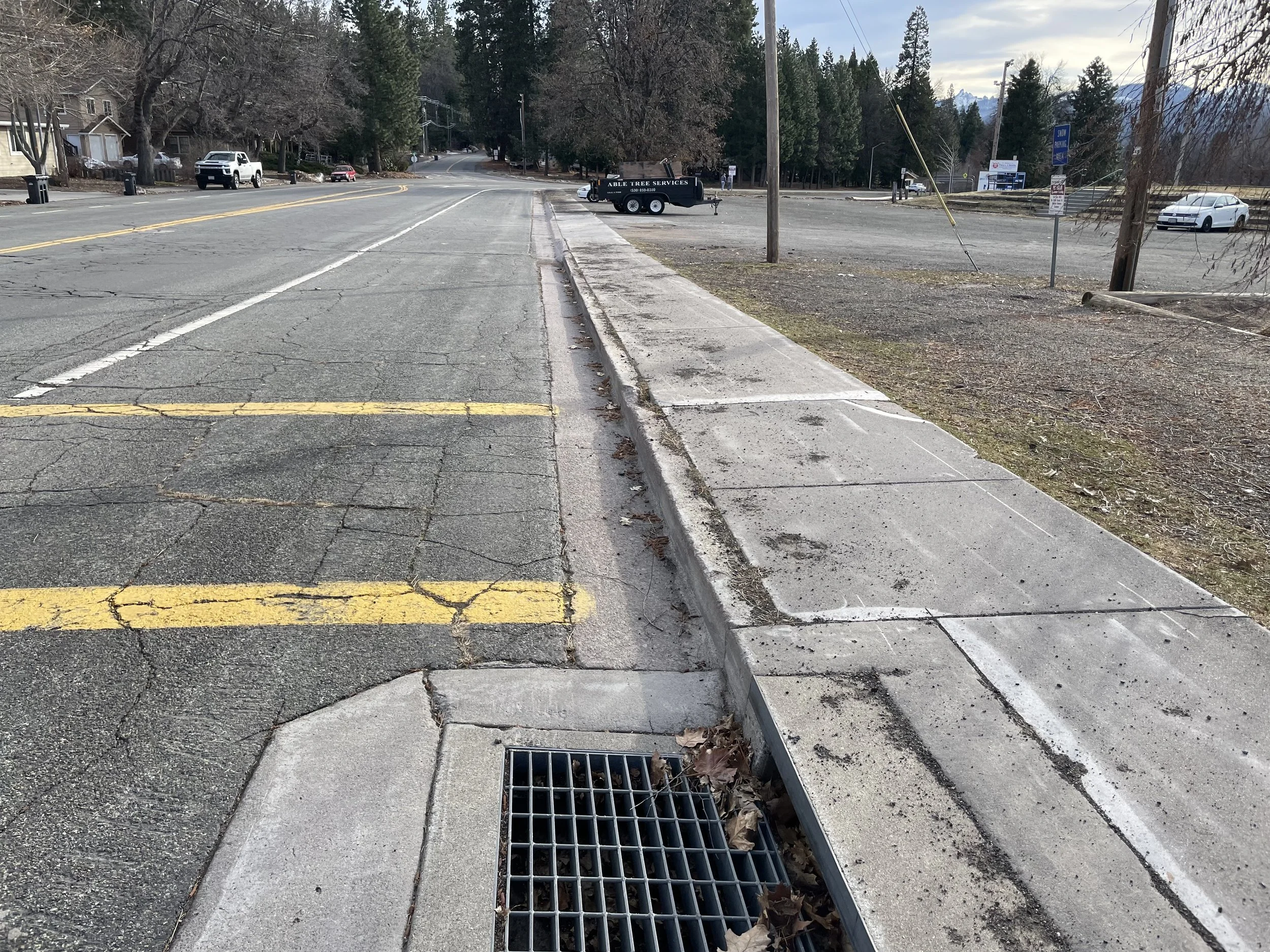
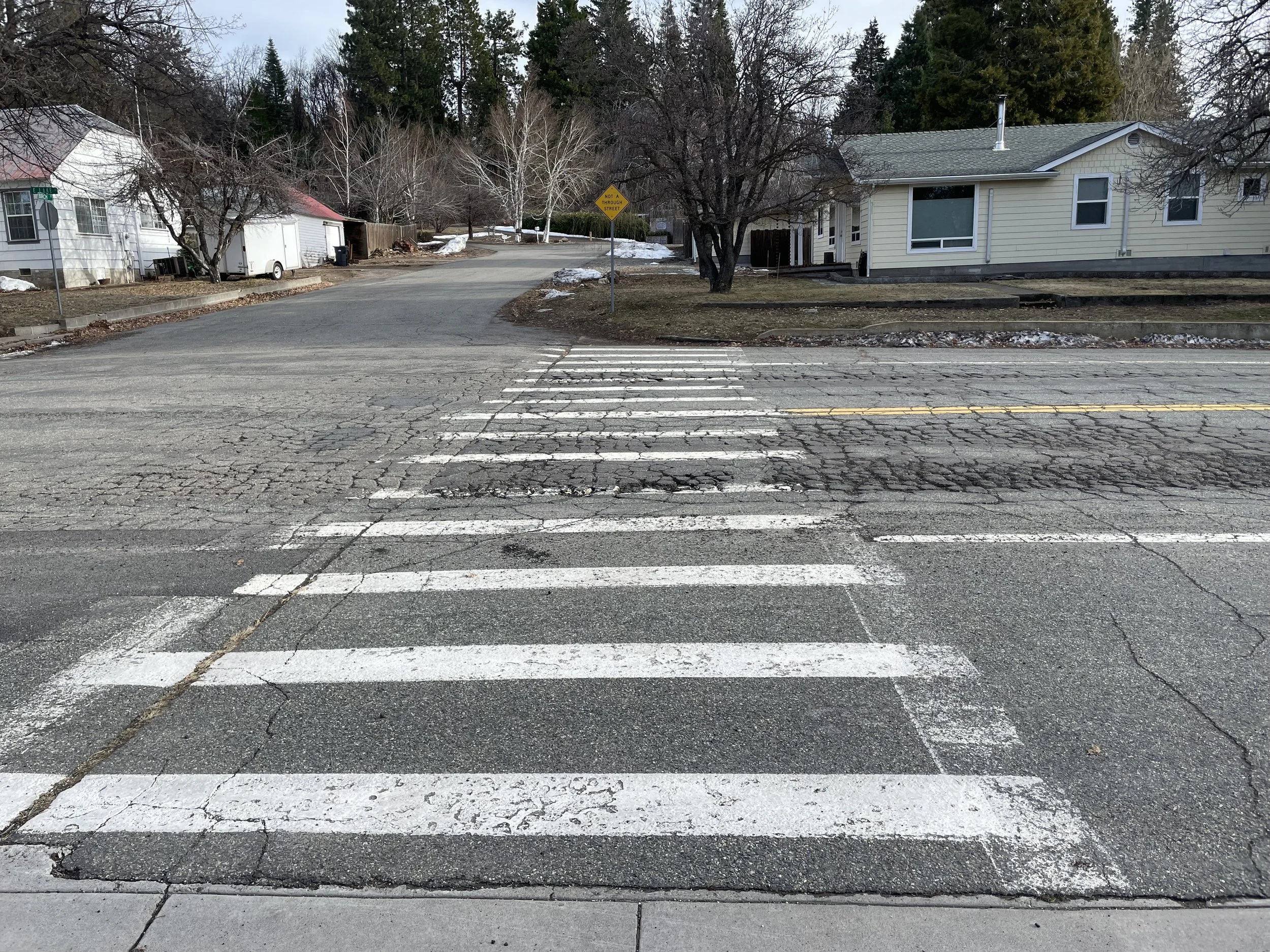
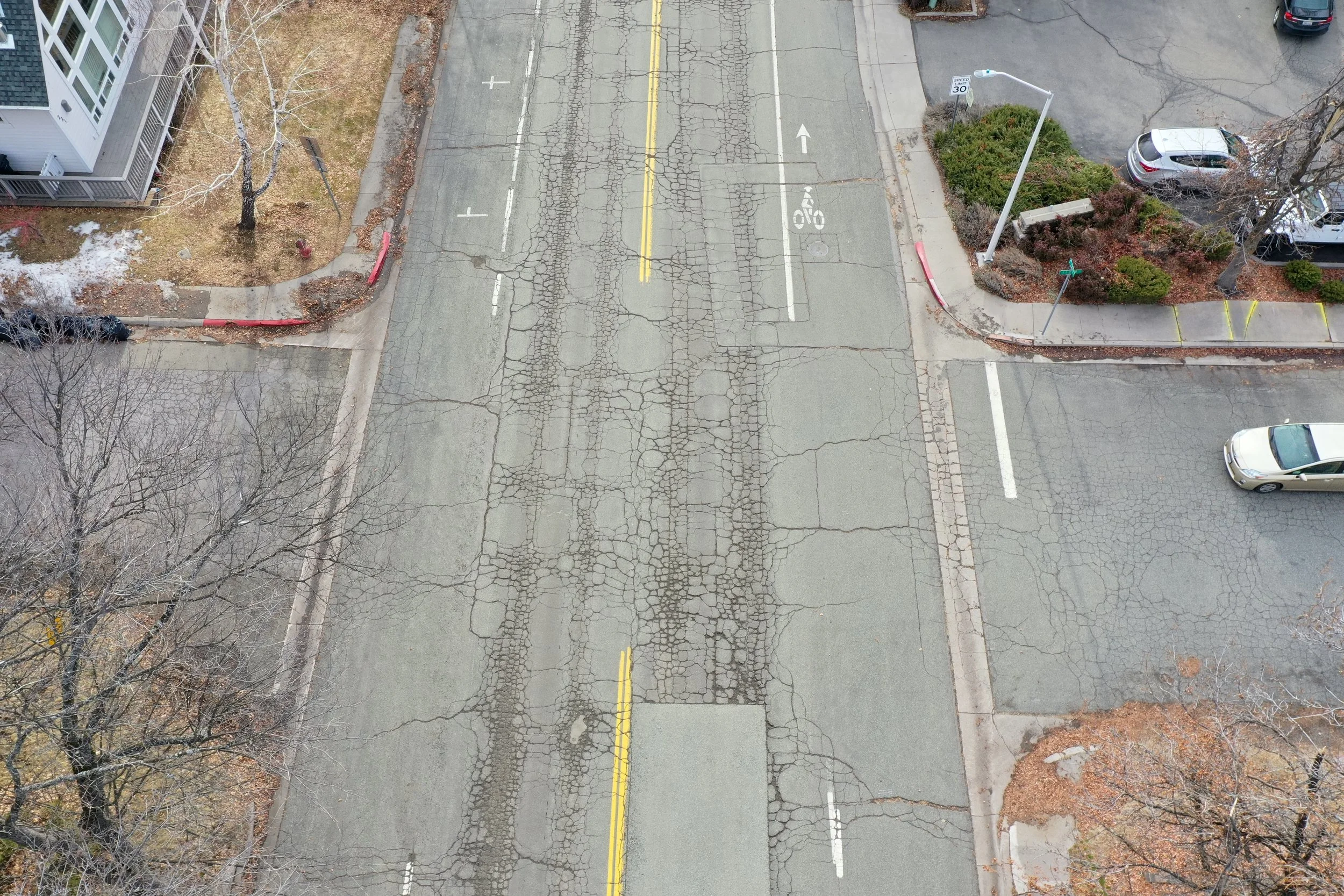
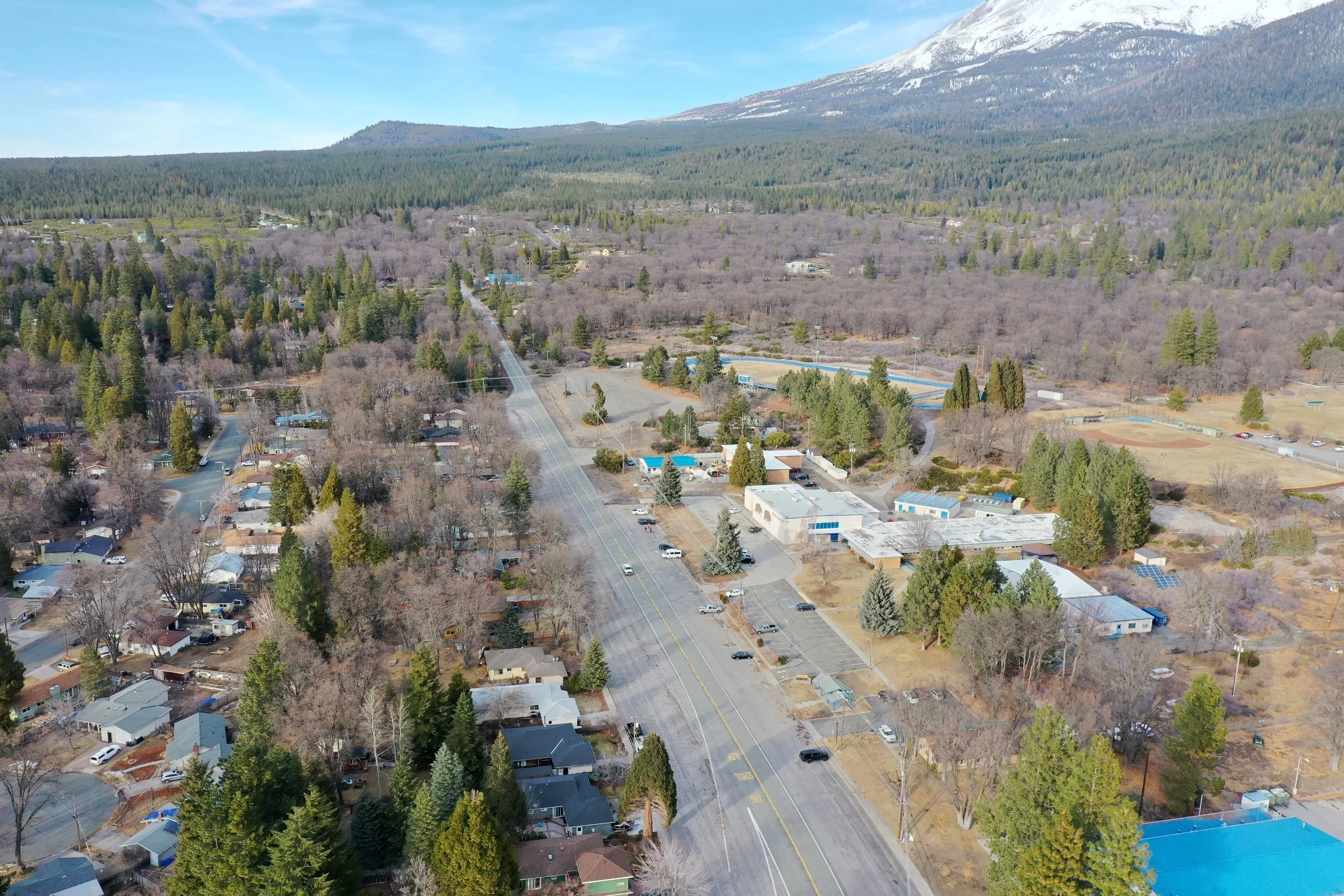
As a crucial corridor that runs through the community, Lake Street connects the City of Mt. Shasta to schools, neighborhoods, businesses, gas stations, hotels, medical facilities, grocery stores, and regional recreational facilities and trails. In its current configuration, residents have expressed concerns about high traffic speeds, limited visibility between motorists and people walking and bicycling, and challenges related to the steep gradient and curvature of the road. The Lake Street Complete Streets Plan is a blueprint for the future of Lake Street.

Example of a Before/After Complete Streets: (Complete street showing bike lanes, crosswalks, and sidewalks.)
Project Goals
Develop a comprehensive Complete Streets Plan that will identify progressive solutions to improve multi-mobility, accessibility, and safety along Lake Street.
Analyze existing conditions, current infrastructure and gaps, safety concerns, accessibility barriers, and general mobility needs for the community.
Identify key stakeholders whose input is desired throughout the course of the Plan.
Facilitate open community engagement throughout the duration of the Plan's development to ensure that the improvements reflect the needs of the Mt. Shasta community.
Identify complete streets improvements on Lake Street to include protected bicycle and pedestrian facilities, gateway features, wayfinding designs, pedestrian-level lighting and other streetscape amenities.
Develop streetscape alignment and conceptual designs for the desired improvements.
Analyze preliminary feasibility constraints, as well as identification of environmental, right of way, and/or funding challenges.
Prepare a comprehensive implementation and funding strategies to position the project components for future funding.
Complete Street Benefits
HEALTH: Walking and biking can help prevent diabetes, heart disease, arthritis, and obesity, and improve anxiety and depression. Complete Streets can also improve health by improving local air quality.
COMMUNITY: Enhance the beauty and existing character of the community and creates an enjoyable environment for people to socialize with their neighbors.
SAFETY: Decrease pedestrian and bicycle injuries, collisions, and fatalities by improving visibility and limiting interactions with, and proximity to, vehicular traffic.
RECREATION: Enhance access to the recreational trails and facilities in the community.
TRANSPORTATION EQUITY: Create a roadway environment that is safe and comfortable for people of all ages and abilities using the street, including children, elderly, people with disabilities, and people who are unable or don’t wish to drive.
ACCESSIBILITY: Increase access to schools, employment, medical, recreation, and transit centers.